If Europe is to build a sovereign semiconductor industry, it requires a resilient supply of critical materials, including polysilicon and specialty gases.
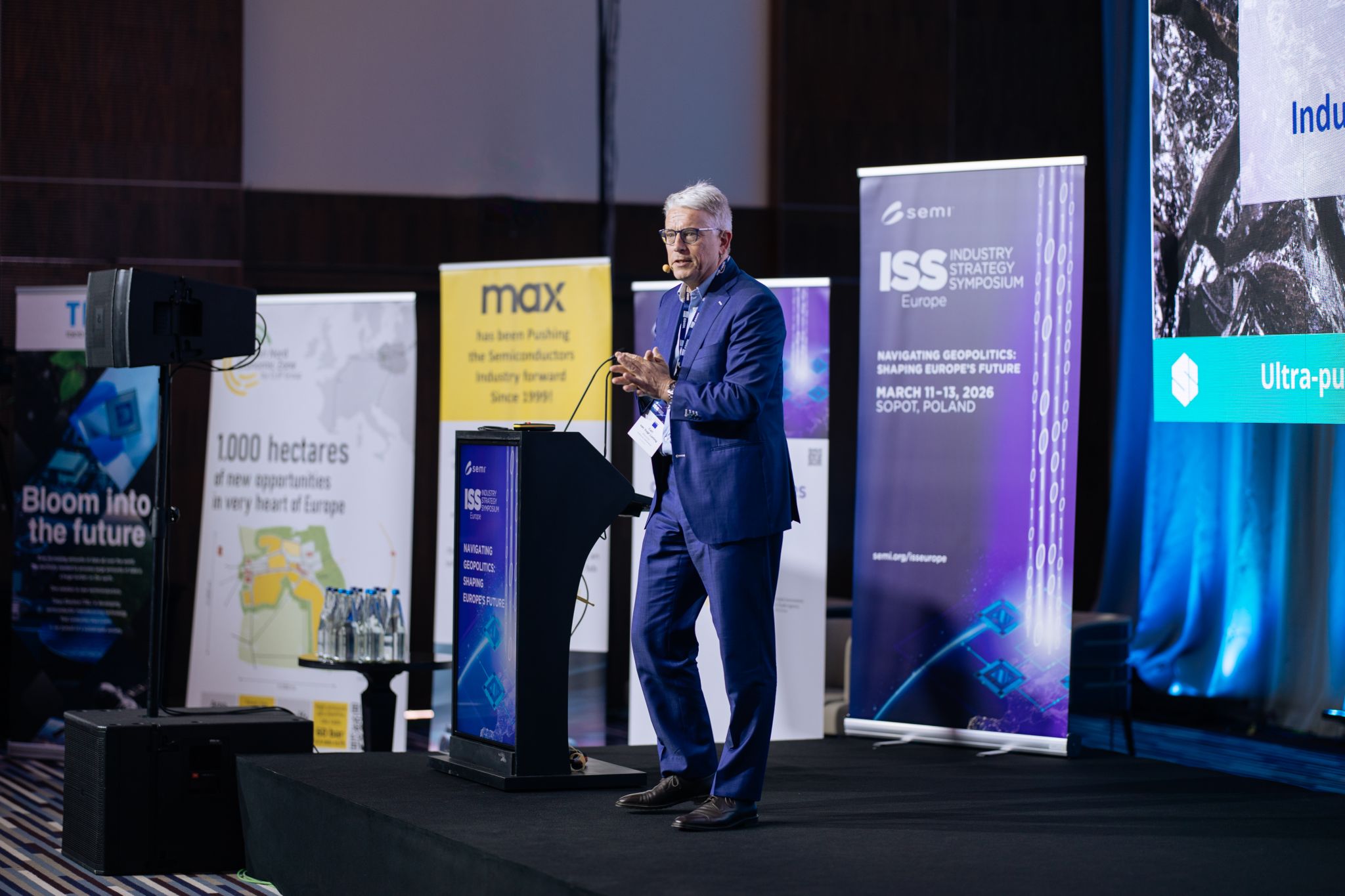
This was the central theme of a presentation by Carl J. van Vugt Luning, Chief Commercial Officer at RESiLICON, at the Industrial Strategic Symposium organised by SEMI Europe in Poland.
While significant investment is being made in semiconductor manufacturing capacity, resilience cannot be achieved at the level of fabs alone. It depends on the strength of the entire value chain, from upstream materials through to end applications. In this context, polysilicon plays an increasingly strategic role within the semiconductor ecosystem.
At the same time, both governments and industry are placing greater emphasis on supply stability and long-term risk management, alongside cost considerations. This shift is reflected in evolving policy frameworks and industrial strategies across Europe.
RESiLICON is developing a European source of traceable, low-carbon, ultra-pure polysilicon. In doing so, the project aims to support more resilient and transparent semiconductor supply chains, align with emerging procurement requirements, and contribute to reducing Scope 3 emissions exposure.
For semiconductor manufacturers, upstream materials require long qualification timelines and close technical collaboration. RESiLICON therefore believes that the foundation for a strong and competitive semiconductor value chain should be shaped in close cooperation with industry partners.
The company welcomes dialogue with stakeholders across the semiconductor ecosystem.